Donec efficitur, ligula ut lacinia
viverra, lorem lacus.
Donec efficitur, ligula ut lacinia
viverra, lorem lacus.

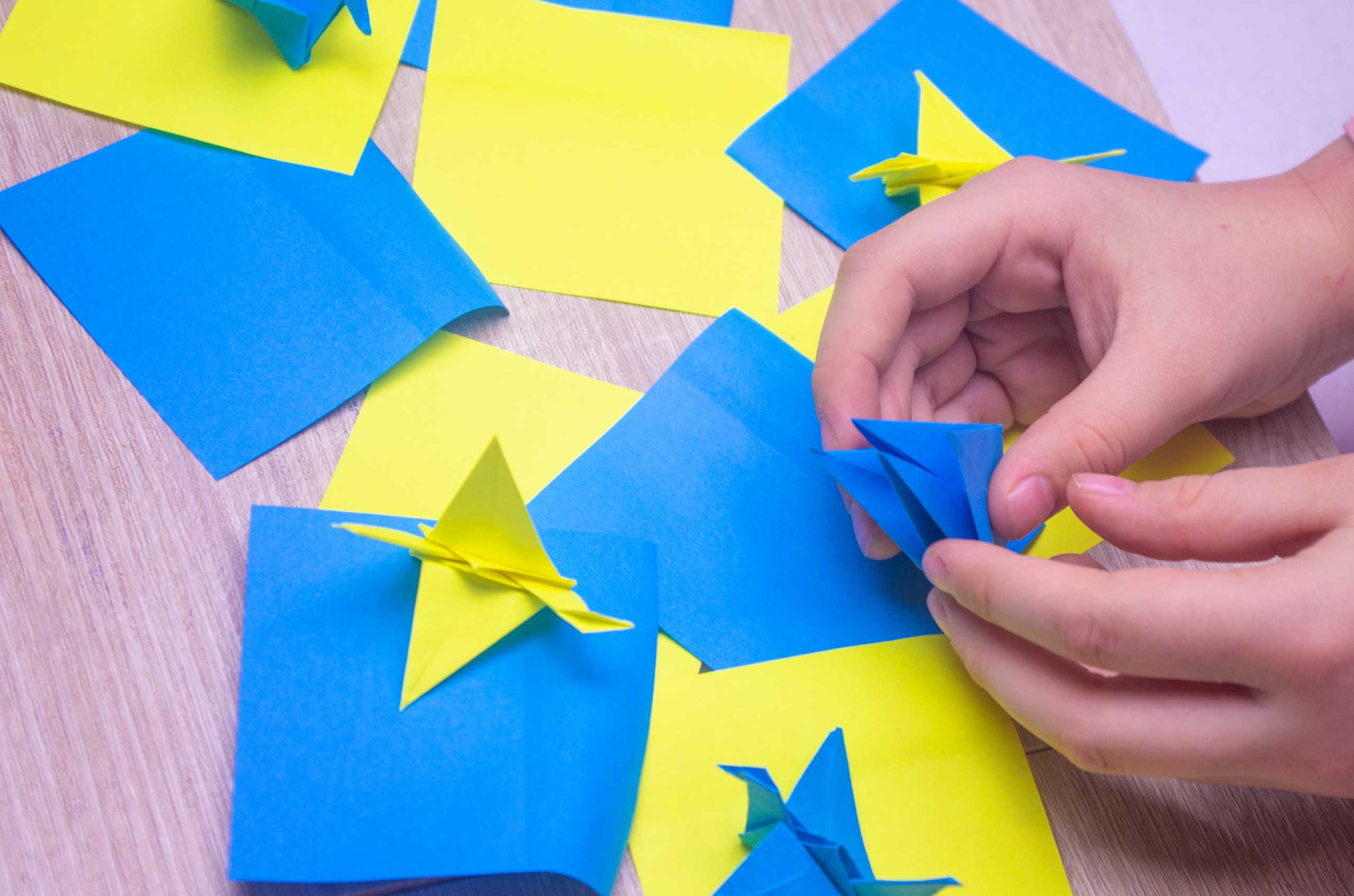
Origami-inspired lighting has become more than a decorative trend. It represents a shift toward handmade expression, mindful design, and sculptural functionality. While technology continues to shape our modern interiors, the tactile act of folding paper introduces a unique emotional dimension that manufactured fixtures cannot replicate. At OrigamiGlow, this philosophy forms the foundation of every lesson we teach, blending geometry, creativity, and structure into a single evolving practice.
The magic of origami lighting comes from the relationship between structure and illumination. Paper, when folded with intention, becomes a dynamic surface that interacts with light in compelling ways. Key design principles include:
What begins as a flat sheet becomes a three-dimensional form through a sequence of intentional, repeatable steps. The learning process is immersive, allowing creators to see immediate visual transformation with each fold. Advanced folding techniques open the door to asymmetric lanterns, modular structures, layered shells, and architectural lighting concepts. The joy lies not only in the final product but also in mastering the transitions that build it.
Folding light is a meditative practice. It develops precision, observation, and patience—skills that influence creativity far beyond paper. Many learners describe how origami lighting improves their sense of rhythm, proportion, and spatial awareness. Whether displayed as a functional lamp, a wall sculpture, or an artistic installation, each piece carries the essence of its maker. Origami lighting is not simply learned; it is lived through the hands of the one who folds it.
OrigamiGlow continues this legacy by providing a structured, accessible approach for learners of all levels. Through guided lessons, thoughtful explanations, and project-based learning, students discover how light can be shaped through geometry and imagination. As you begin your journey, remember that every fold changes the character of the piece—and every completed sculpture reflects your evolving craft.